
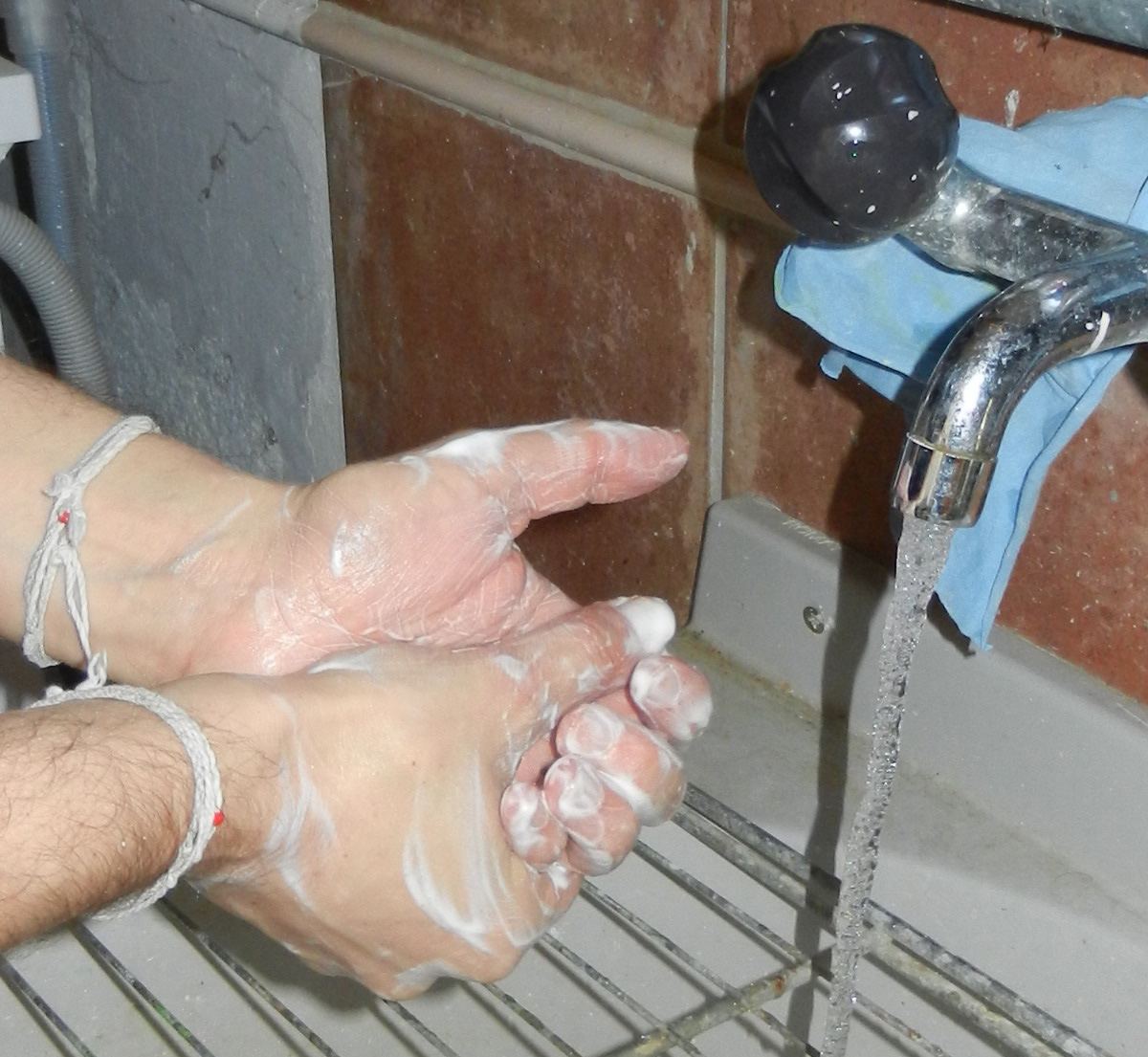
Households are cutting water bills with a meter and small changes, finding that water, long taken for granted, is one of the quieter costs in the home. A household on a fixed water charge pays the same whatever it uses, while a metered household pays for exactly what it uses, which can mean a lower bill for smaller households or those who use water carefully. Water companies say a meter suits homes where the number of bedrooms is greater than the number of people, or where water use is already modest. Beyond the meter, small habits add up: shorter showers, full washing machine loads, fixing a dripping tap and turning the tap off while brushing teeth. A leaking toilet or a dripping tap can waste hundreds of litres a year without anyone noticing. For households watching every bill, water is worth a closer look.
What the Evidence Shows
Experts advise asking the water company whether a meter would save money, since many offer a trial period during which the household can switch back if the bill rises. Free water-saving devices, such as shower timers and tap aerators, are often available from water suppliers. A simple check for leaks is to read the meter, avoid using water for an hour, and read it again. Gardeners can save further with a water butt that collects rain for watering plants. Anyone struggling with bills should ask the supplier about social tariffs and payment plans, which can reduce the cost for low-income households. For most homes, advisers say, a meter plus a few careful habits can trim the water bill without changing daily life very much at all. Reporting and analysis from sources such as Financial Times track the same developments, and specialists following cutting household water bills say the direction is now consistent across independent lines of evidence.
The Wider Context
The wider context is a financial system repricing risk after a long era of cheap money. Decisions shaped by cutting household water bills are being made under closer supervisory attention, with stress tests and disclosure rules that assume conditions can worsen quickly. Institutions that planned for the benign case are adjusting in public, which is uncomfortable and healthy in equal measure.
What Happens Next
What happens next with cutting household water bills will be visible first in the data that professionals watch weekly: flows, spreads and the terms on new deals. Participants who spoke for this article expect a period of adjustment rather than drama, with the biggest effects landing on those who assumed the old conditions were permanent. Planning, as ever, is the cheapest hedge. You can follow related developments in our coverage of finance.
None of this will be settled by a single announcement, study or product launch. The pattern to watch is accumulation: independent confirmations, honest reporting of failures and steady improvement in the underlying numbers. Readers who follow those signals, rather than the loudest claim of the week, will understand this subject better than most of the commentary surrounding it suggests is possible.
