
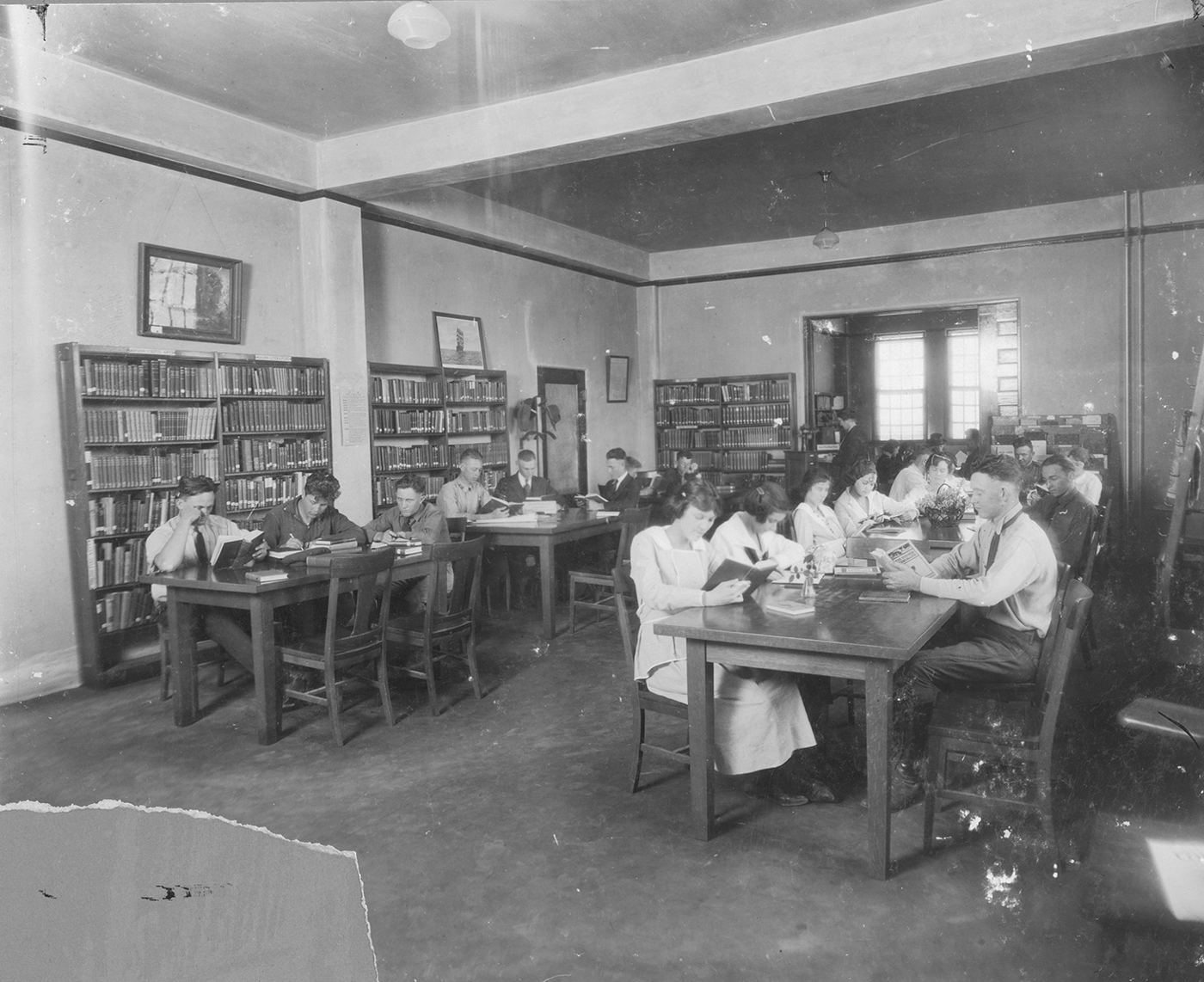
City libraries are extending evening opening hours in response to demand from students revising after school, workers studying for qualifications and jobseekers who need computers outside standard office times. The new schedules keep selected branches open until later on several weekdays, with staff reporting that the extra hours are used for quiet study, online applications and community classes rather than casual visits alone. Librarians say many visitors lack a calm place to work at home, or share devices with family members, making the library’s desks and reliable internet essential. Several branches have rearranged furniture to create more study seats in the evenings and introduced bookable slots during examination periods. Local colleges have welcomed the move, pointing out that learners on evening courses can now use resources before and after classes. Councils funding the extension say footfall data from pilot branches justified the cost, with some sites recording their busiest hour after six in the evening. Parents also use the later hours to help children with homework and reading. The changes form part of a wider effort to position libraries as everyday learning centres rather than places residents visit only occasionally.
What the Evidence Shows
Library staff say the evening atmosphere differs from the daytime, with longer stays and more focused activity at the study tables. Job clubs running in two branches help visitors update CVs, practise interview questions and complete online forms, with volunteers supporting those less confident with technology. Students interviewed described the libraries as warmer, quieter and better lit than the alternatives available to them, and some travel across the city to reach a late opening branch. Managers have had to balance the extension with staffing costs and building security, and a few smaller branches instead offer longer hours on fewer days. Digital collections have been promoted alongside the physical changes, reminding members that ebooks and study databases remain available overnight. Councillors say usage will be reviewed after the first full term, but early signs suggest strong demand will continue. Supporters argue the policy shows how modest scheduling changes can widen access to education and employment help, using buildings and collections that communities already own, staffed by people whose local knowledge regular visitors clearly trust and value. Reporting and analysis from sources such as Reuters track the same developments, and specialists following library evening opening hours say the direction is now consistent across independent lines of evidence.
The Wider Context
The wider context is a public conversation conducted at a speed institutions were not built for. Developments around library evening opening hours are announced, contested and revised within a single news cycle, and the officials involved have learned to publish evidence alongside claims so that scrutiny can actually occur. Trust, the polling suggests, follows that transparency more than it follows confidence.
What Happens Next
What happens next in the story of library evening opening hours will be decided in the places where it is being implemented, measured and argued about in public. The officials and organisations involved have committed to publishing progress data, and that commitment gives residents, businesses and journalists something firmer than promises to judge. The next milestones are dated, which means they can be checked. You can follow related developments in our coverage of news.
There is a practical lesson in all of this for readers deciding what to do today. Start with the verified facts, be wary of anyone promising certainty, and prefer reversible steps while the evidence is still developing. Circumstances differ by country, income and personal situation, so general guidance should always be weighed against your own context before you act on it in any significant or lasting way.
